
Some people feel anxious when things go wrong. Others feel anxious when things go quiet. If you’re someone who fills every gap in your day with tasks, errands, or distractions, it’s worth asking why.
Think about the last time you had nothing to do. Did you relax, or did you reach for something to fill the space?
If the idea of being alone with your thoughts makes you uneasy, staying busy might be your way of coping. Feeling anxious about what might surface when you’re alone with your thoughts is more common than people admit, and it’s one reason the hustle never stops.
Why This Pattern Becomes a Problem
Filling every hour with tasks may seem harmless enough, but it’s not if it keeps you from processing emotions that need attention. When you avoid quiet reflection, you miss the chance to understand what’s driving your stress.
Instead of finding peace, you train yourself to depend on activity as a shield. Over time, this habit can leave you drained, disconnected from yourself, and unsure why you’re restless even when everything looks productive on the outside.
Signs that your busyness is covering up anxiety
- You feel uneasy when there’s nothing scheduled, so you quickly add something to do.
- You keep multitasking even when one task would be enough.
- You struggle to relax without checking your phone or planning the next step.
- You avoid sitting alone because it makes you feel anxious about what you might think or feel.
Such reactions may not just be your quirks, but could be signals that constant activity is being used as a coping mechanism.
 When you’re constantly busy, it doesn’t only affect you. It changes how you connect with others. You may find yourself distracted in conversations, rushing through interactions, or feeling guilty when you’re not “productive.”
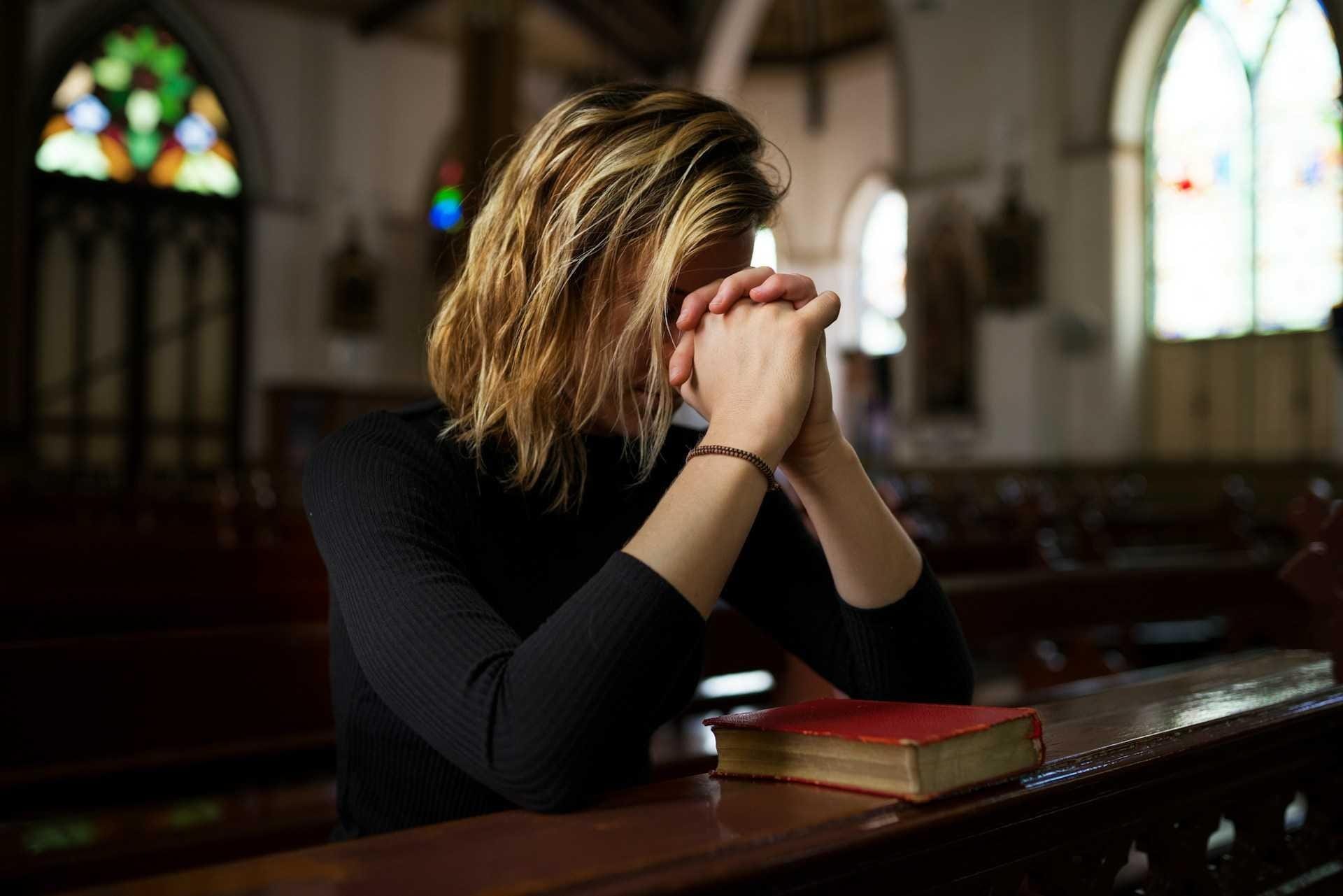
Spiritually, it can also keep you from prayer or reflection, because slowing down feels uncomfortable. Instead of deepening your faith, you end up treating it like another task to check off.
How to Break the Cycle
- Schedule breaks as seriously as meetings. Treat rest as an appointment you don’t cancel.
- Practice doing one thing at a time. Notice how your body reacts when you resist multitasking.
- Write down the thoughts you avoid. Instead of pushing them away, give them space on paper.
- Invite God into your discomfort. Pray honestly about the unease you feel when you’re not busy.
- Talk to someone you trust. Share how busyness has become a way of covering up anxious thoughts, and ask for accountability.
The idea is not eliminating activity, but rather creating balance so that your activities no longer control you.
The drive to stay busy is not wrong in itself. Work, responsibilities, and goals are part of life. The problem comes when activity becomes a way of avoiding yourself. Facing your thoughts may feel uncomfortable, but it is also where healing begins. By slowing down, you permit yourself to process emotions, strengthen your faith, and connect more deeply with others.
If you recognize that your busyness is covering up feelings of anxiety about being alone with your thoughts, consider reaching out for professional support. Counseling provides a safe space to explore what’s beneath the surface and to learn healthier ways of responding. Contact one of the counselors listed on this site or call the numbers on the screen today to take the first step toward lasting peace.
Photo:
“Young businesswoman”, Courtesy of Getty Images, Unsplash.com, CC0 License
 Grace Mavindidze: Author
Grace Mavindidze is an experienced Journalist of close to two decades and a certified SEO specialist writer who enjoys traveling, meeting people from a broad cultural spectrum, as well as engaging people in topics that are informative, entertaining,...

DISCLAIMER: THIS ARTICLE DOES NOT PROVIDE MEDICAL ADVICE
Articles are intended for informational purposes only and do not constitute medical advice; the content is not intended to be a substitute for professional medical advice, diagnosis, or treatment. All opinions expressed by authors and quoted sources are their own and do not necessarily reflect the opinions of the editors, publishers or editorial boards of Stone Oak Christian Counseling. This website does not recommend or endorse any specific tests, physicians, products, procedures, opinions, or other information that may be mentioned on the Site. Reliance on any information provided by this website is solely at your own risk.